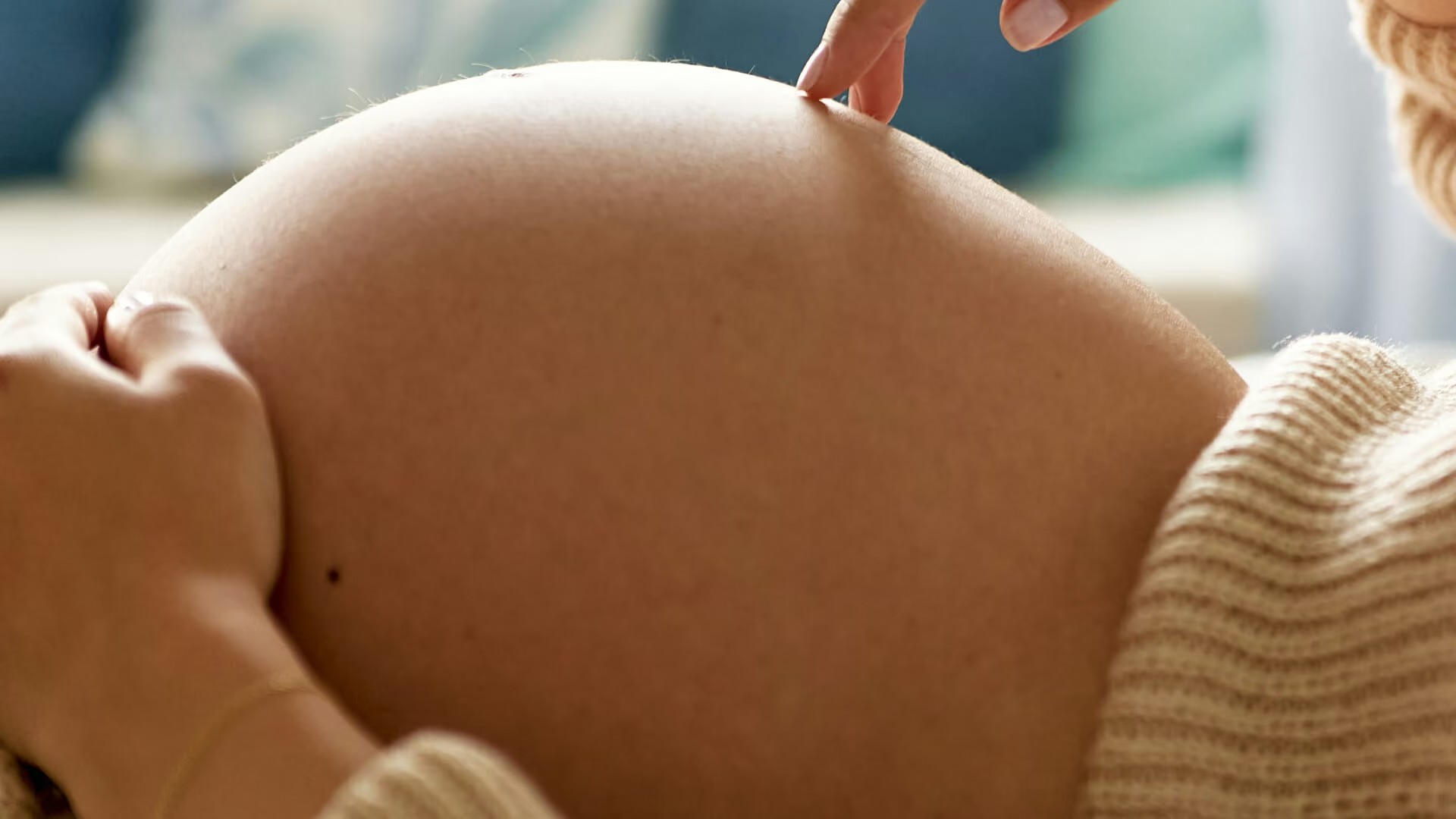
Understanding gynaecology, pregnancy and perinatal care
Pelvic pain, menstrual cycle disorders, hot flushes and pregnancy-related discomforts can have very different causes. A gynaecological or obstetric assessment remains essential before any complementary approach is considered.
Care tailored to each situation.
Dysmenorrhoea may be primary or related to endometriosis or another condition. During pregnancy, gestational age, obstetric follow-up, treatments and warning signs must be taken into account in order to rule out a complication.
What is the role of acupuncture?
Acupuncture may be considered for various gynaecological or pregnancy-related symptoms, including certain menstrual pains, nausea, tension or functional discomforts. Its potential role is assessed by the doctor according to the clinical situation, the symptoms and the care already in place.
Care tailored to each situation.
Acupuncture may be integrated with other measures offered to improve comfort and reduce certain symptoms. During pregnancy, it is provided by a trained professional and forms part of the overall obstetric care.
In which situations may acupuncture be offered?
The situations below illustrate different reasons why acupuncture may be considered in gynaecology or during the perinatal period. The doctor assesses its relevance according to the diagnosis, the symptoms, the stage of pregnancy and the medical care already in place.
Painful periods and cycle-related symptoms
Acupuncture may be offered to help relieve certain painful periods and symptoms associated with the menstrual cycle. Severe, new or unusual pain nevertheless requires gynaecological assessment to investigate the cause, including possible endometriosis.
Menopausal symptoms
During the menopause, acupuncture may be considered for some patients to support the management of symptoms such as hot flushes, sleep problems or certain functional discomforts. Its role is discussed with the doctor, taking into account the symptoms, the patient’s expectations and the other treatment options available.
Nausea and digestive discomfort during pregnancy
Acupuncture may be offered to some patients to support the management of nausea and certain digestive discomforts during pregnancy. Persistent vomiting, dehydration or weight loss, however, require medical assessment and coordinated care with the obstetric team.
Pain and functional discomfort during pregnancy
Lower back, pelvic or sciatic pain can be common during pregnancy. After medical assessment, acupuncture may be offered to help relieve pain, tension and certain functional discomforts, alongside obstetric care.
Preparation for childbirth and the perinatal period
Towards the end of pregnancy and during the perinatal period, acupuncture may be offered to help manage certain discomforts and support the patient’s well-being. It does not replace obstetric care and should not be presented as a method that can, on its own, induce labour or alter the course of childbirth.
Questions fréquentes
Vous vous posez encore des questions ? Retrouvez les réponses aux interrogations les plus fréquentes concernant cette indication, le déroulement d'une consultation et la place de l'acupuncture dans une prise en charge médicale.
Can acupuncture be considered during pregnancy?
Yes. Acupuncture may be provided during pregnancy by a trained professional, following medical assessment and in coordination with obstetric care. It may, for example, be offered to help manage certain discomforts or symptoms. It does not, however, replace necessary examinations, treatments or the management of a possible complication.
Can acupuncture help relieve nausea during pregnancy?
Acupuncture may be offered to some patients to try to reduce nausea and improve comfort during pregnancy. Persistent vomiting, dehydration or weight loss, however, require prompt medical assessment and appropriate medical treatment.
Can acupuncture be offered for painful periods or cycle-related symptoms?
Yes. Acupuncture may be considered to help relieve certain painful periods and cycle-related symptoms. Severe, unusual or recently developed pain should nevertheless be assessed by a gynaecologist in order to identify the cause and provide appropriate care.
Can acupuncture be considered for menopausal symptoms?
Acupuncture may be considered for some patients to support the management of hot flushes and other menopausal symptoms. The doctor takes into account the intensity of the symptoms, the medical context and the other treatments available in order to determine the most appropriate approach.
How many sessions may be proposed?
The number and frequency of sessions are tailored to the diagnosis, the duration of the pain, the treatment goals, and the progress observed. The doctor regularly reviews the results to adjust the care plan and decide, in consultation with the patient, whether to continue or space out the sessions.
When should urgent medical advice be sought during pregnancy or for gynaecological symptoms?
During pregnancy, bleeding, severe abdominal pain, unusual contractions, loss of fluid, reduced fetal movements, high fever, a severe headache with visual disturbances or any rapid deterioration require medical assessment without delay.
Outside pregnancy, sudden pelvic pain, heavy bleeding, loss of consciousness or a rapid deterioration in general condition also require urgent medical care. Acupuncture must never delay this assessment.
Pour poursuivre
votre lecture
Comprenez la démarche du médecin acupuncteur, explorez les autres familles d’indications ou trouvez un praticien membre de l’ABMA.




Trouvez
votre médecin
acupuncteur
Browse the list of ABMA and UPMAB members across Belgium.