A clinical situation is not automatically an indication
He then distinguishes between situations where data on acupuncture is relatively favorable, those where results remain uncertain, and those for which it is not considered a standard treatment.
When discussed, acupuncture is part of a shared decision-making process, with specific goals and a re-evaluation of its benefits. It should neither replace nor delay necessary medical treatment.
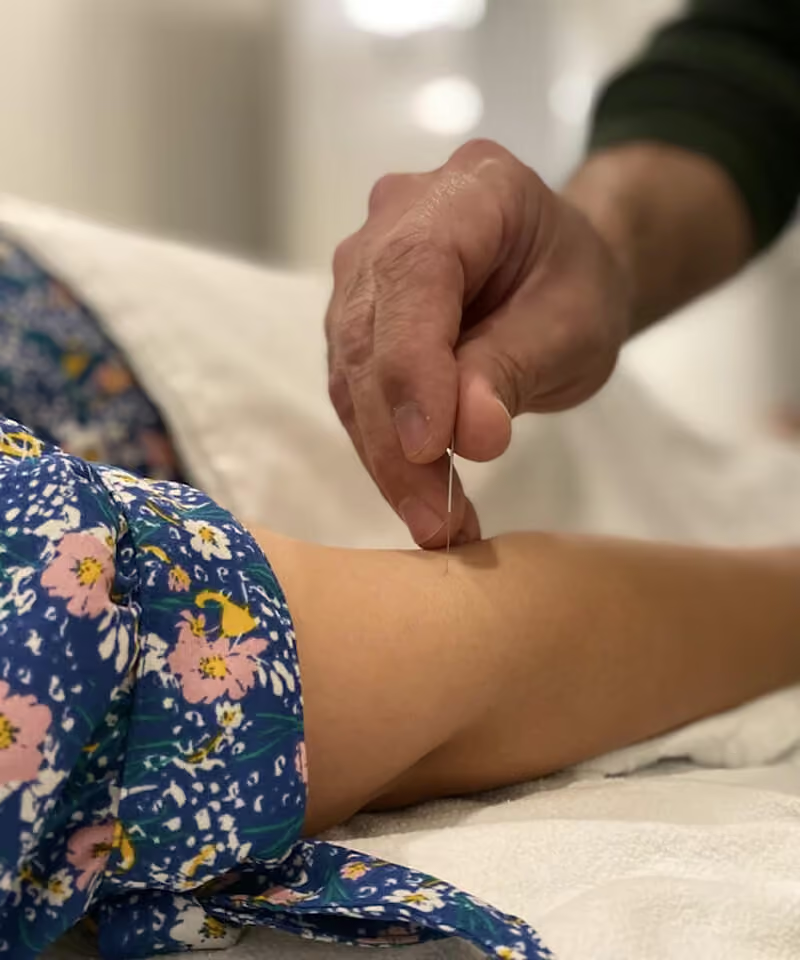
Eight categories of situations, varying levels of evidence
Musculoskeletal pain and rheumatology
Neck pain, upper back pain, lower back pain, pelvic pain, joint pain, muscle and tendon pain, neuralgia or sciatica of spinal origin, post-traumatic conditions, osteoarthritis, myofascial syndromes.
Migraines, headaches and neurological pain
Recurrent migraines, tension headaches, neuralgias and certain forms of neuropathic pain.
Stress, anxiety and functional symptoms
Tension, perceived palpitations, hyperventilation and other physical symptoms associated with stress or anxiety.
ENT, respiratory and sensory disorders
Seasonal allergies, nasal congestion, tinnitus, dizziness and certain recurrent ENT or respiratory symptoms.
Functional digestive disorders
Nausea, bloating, spasms, gastric discomfort and functional bowel habit changes, including those associated with irritable bowel syndrome.
Sleep disorders and biological rhythms
Insomnia, difficulty falling asleep, night-time awakenings, jet lag and disturbances related to shift work.
Gynaecology, pregnancy and perinatal care
Painful periods, cycle-related symptoms, menopausal symptoms and certain discomforts associated with pregnancy.
Smoking cessation and addictions
Smoking cessation, nicotine withdrawal symptoms and other addictions requiring appropriate medical support.
Frequently asked questions about indications
Do the indications presented mean that acupuncture is effective in every case?
No. These pages group together situations for which patients may seek care. The level of evidence varies according to the diagnosis: relatively favourable in some cases, uncertain or insufficient in others. The presence of a condition in the list is neither a guarantee of effectiveness nor an automatic recommendation.
Does the same indication lead to the same care for everyone?
No. Two people with a similar symptom may have different causes, medical histories, treatments and risks. The physician first adapts the assessment to the diagnosis, then discusses the possible role of acupuncture according to the available evidence and the patient’s goals.
Can acupuncture be combined with another treatment?
Yes. Acupuncture may be combined with other treatments and therapeutic measures when indicated. The physician adapts the different approaches according to the diagnosis, symptoms and the patient’s progression.
What if my problem is not listed among the indications presented?
This page presents eight broad groups of situations and is not an exhaustive list. The absence of a problem from the list does not mean that acupuncture is indicated or contraindicated. A physician must first clarify the diagnosis and propose the most appropriate care.
When should you seek medical attention quickly?
Sudden or unusual pain, chest pain, breathing difficulties, loss of consciousness, high fever or rapid worsening require urgent medical assessment. The same applies after major trauma or in the presence of a sudden neurological deficit, loss of strength, speech disturbance, significant loss of sensation, or new difficulty urinating or controlling bowel movements. Acupuncture should never delay this medical care.

What acupuncture never replaces
When discussed, it is integrated into the care pathway. The acupuncture physician defines a goal, evaluates progress, and discontinues or redirects the approach if there is no significant benefit. When necessary, they collaborate with other professionals involved in the patient's care.
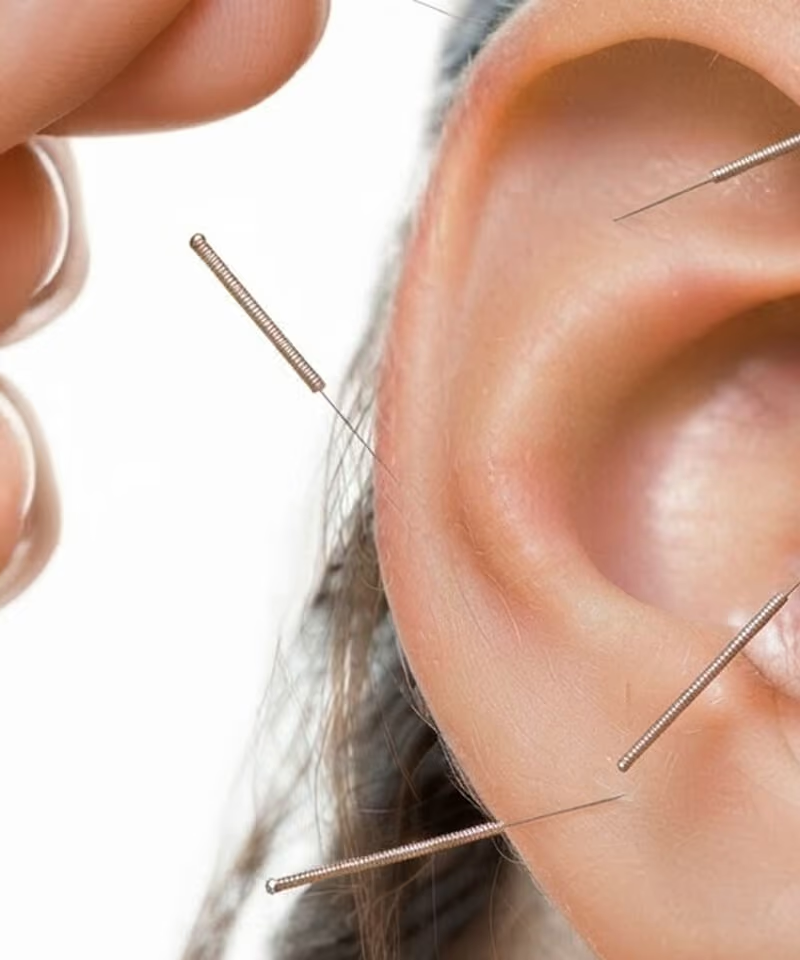
Deepen your understanding of medical auriculotherapy
Discover the links between auriculotherapy and medical acupuncture, as well as the approach taken by the acupuncture physician.
Explore the main indications for these approaches and consult the directory of acupuncture physicians who are members of the ABMA.

Find your acupuncture physician
Browse the list of ABMA and UPMAB members across Belgium.