In-depth knowledge of Western medicine.
Practicing this discipline requires an in-depth knowledge of Western medicine, the topography of acupuncture points, and the theories of traditional Chinese medicine.
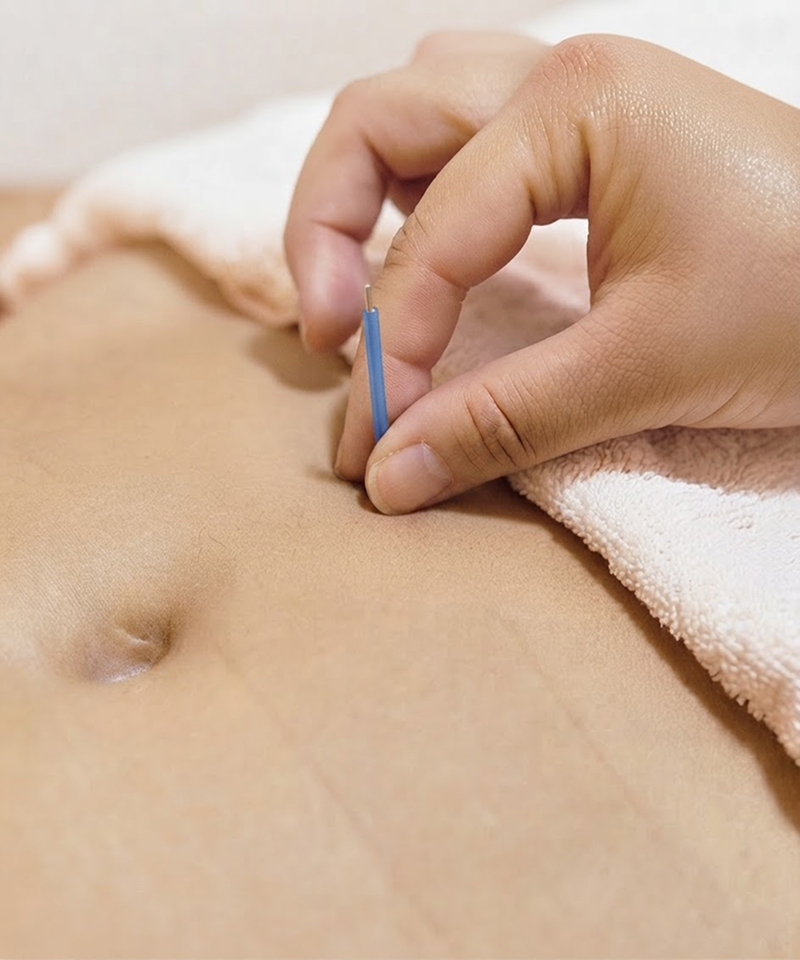
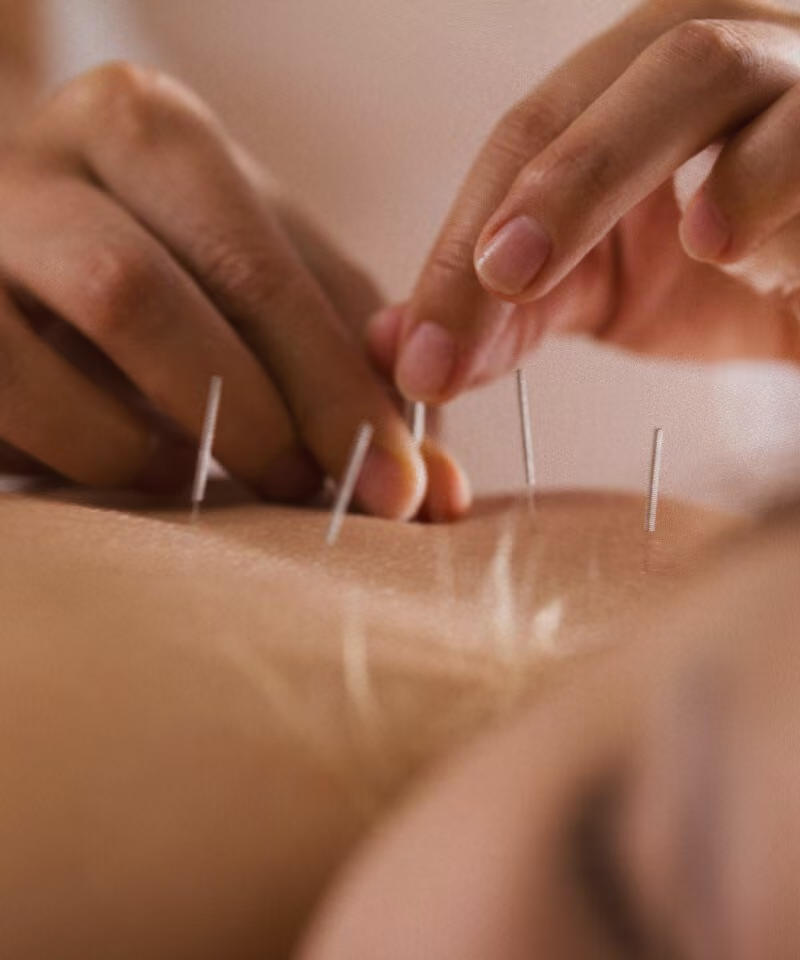
Inserting the needle is virtually painless. The points are sometimes heated (moxibustion) or stimulated using an electrical device (electro-acupuncture).
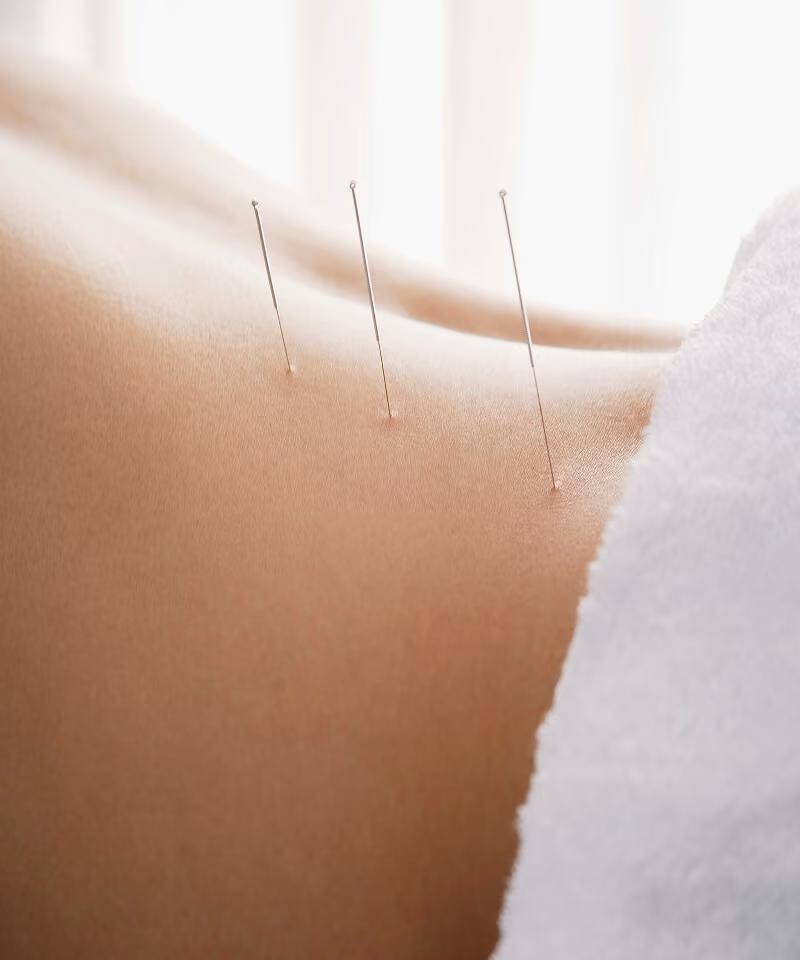
The acupuncturist's approach
His approach is twofold. As a Western-trained physician, he interviews the patient, performs an examination, and reviews any supplementary tests (blood work, X-rays, etc.).
If necessary, they refer the patient to their primary care physician or order further tests themselves. Backed by their medical training and aware of both the indications and limitations of acupuncture, they then determine the appropriateness of treatment.
Next, they supplement this approach with concepts specific to traditional Chinese medicine: the nature of the symptoms, their timeline, factors that improve or worsen them, and the identification of local or distal trigger points. They then select the points to be treated using needles, heat, electrical stimulation, laser, or massage.
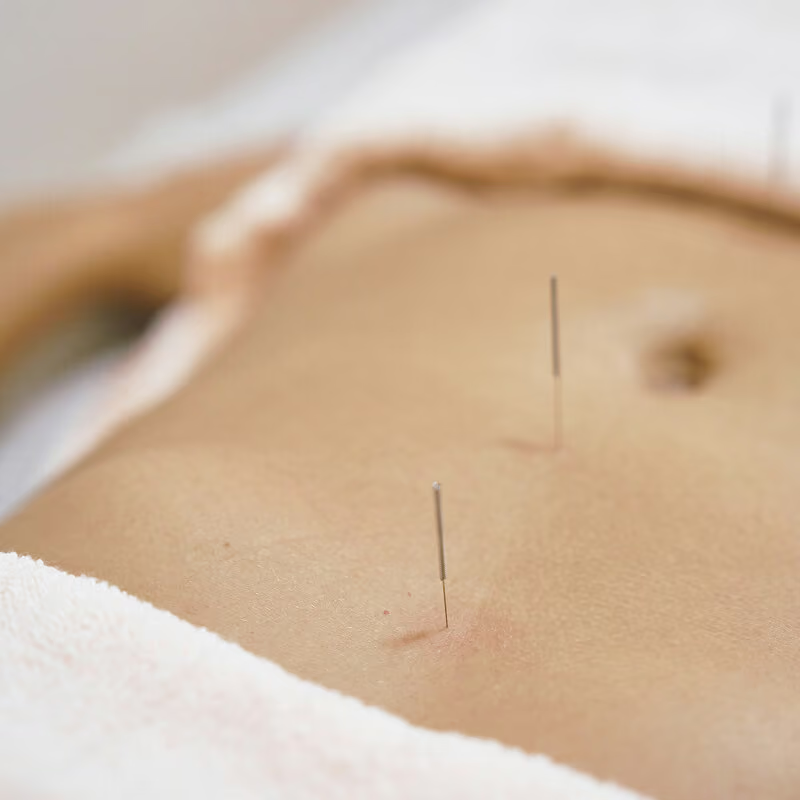
In what situations can acupuncture be considered?
Discover the main categories of indications, the limitations of this approach, and the situations that require a medical evaluation.

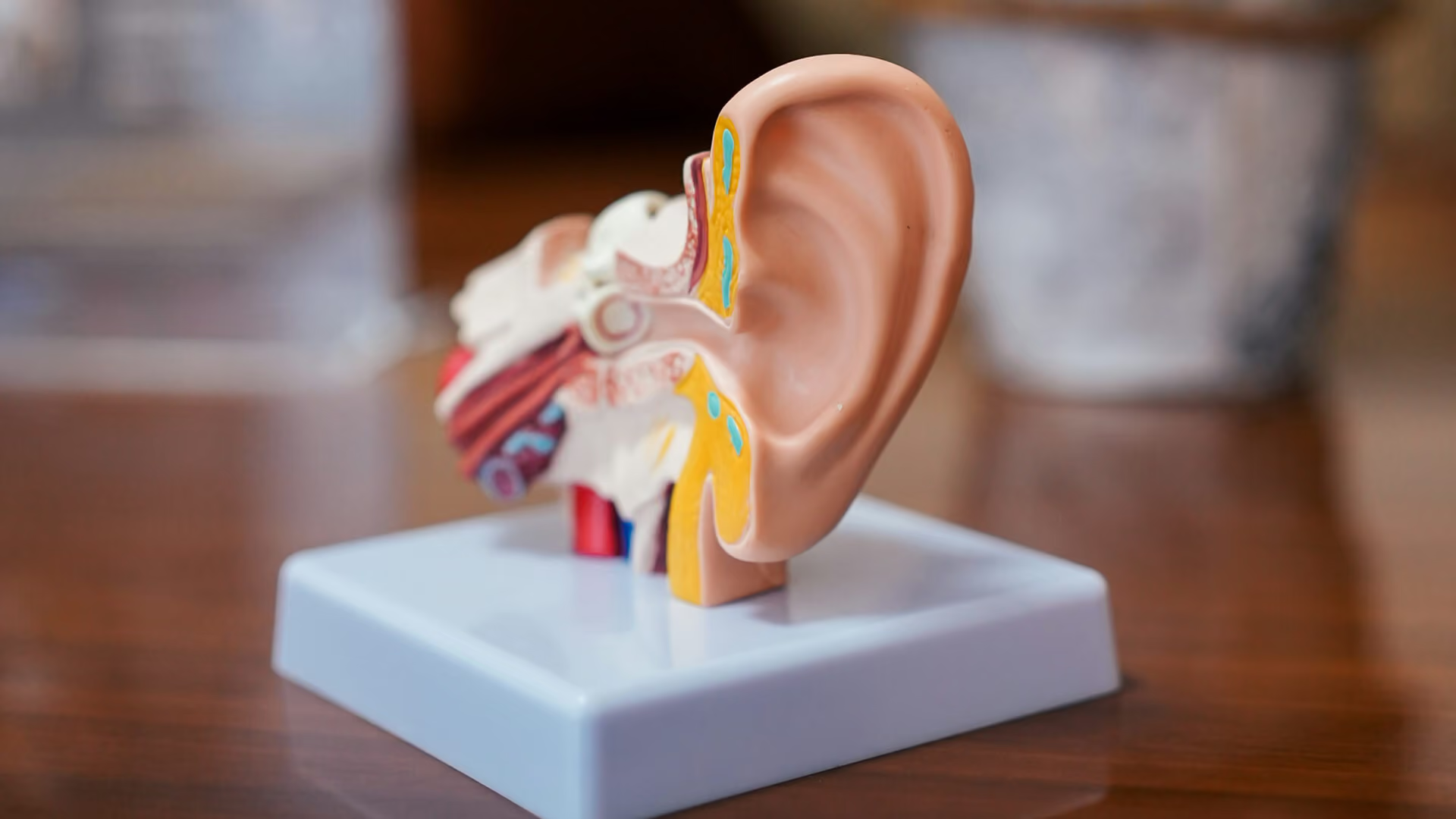
Auriculotherapy, another stimulation technique
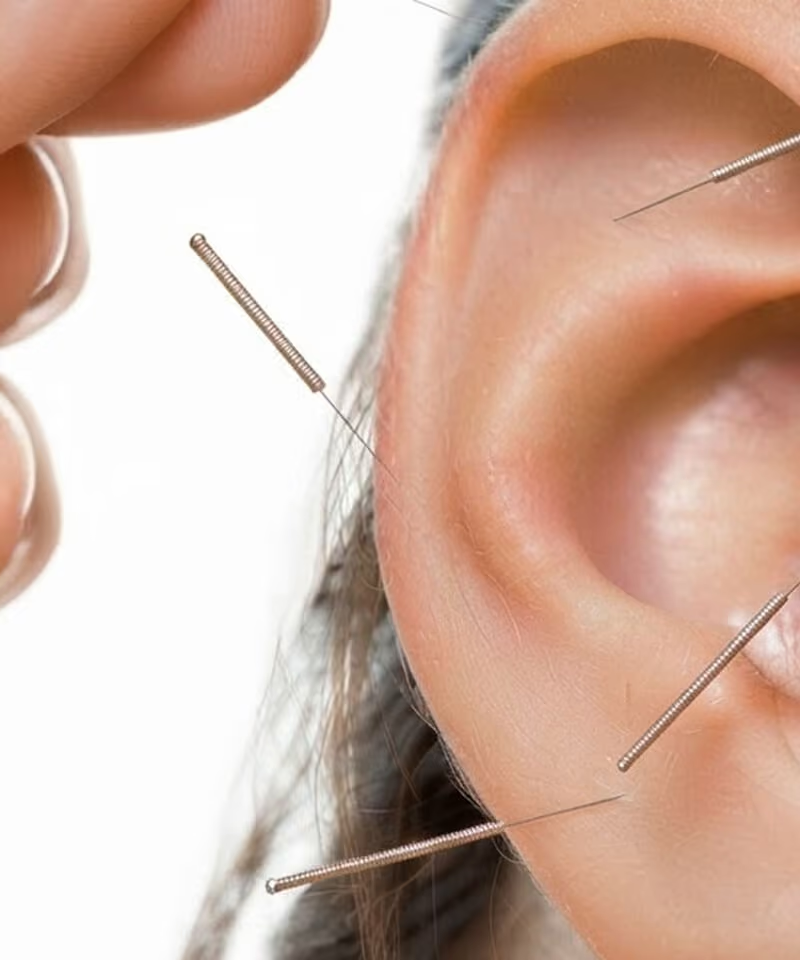
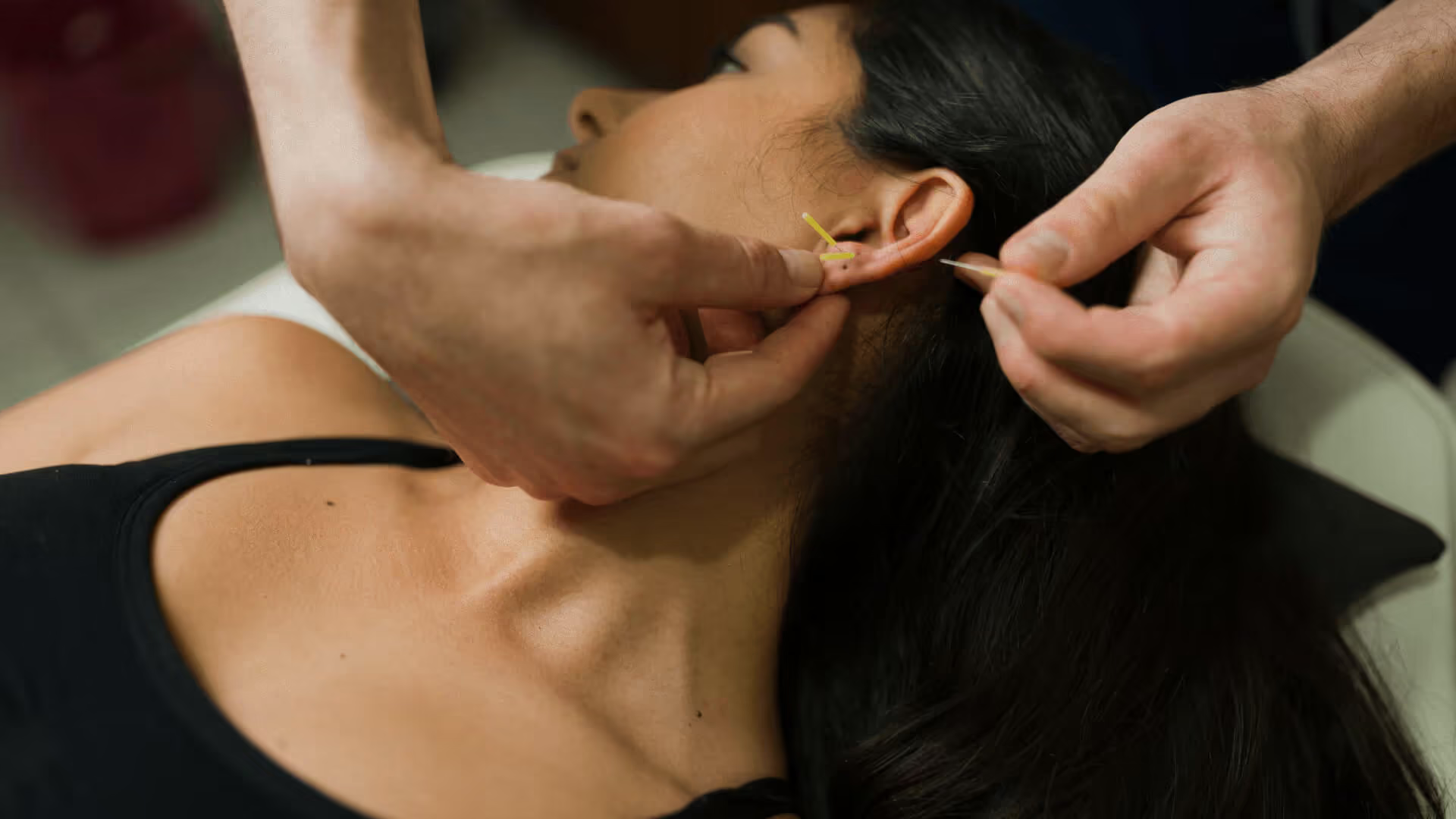
Auriculotherapy, also known as ear acupuncture, is a technique that involves stimulating specific points on the ear. It can be used on its own or as a complement to body acupuncture, depending on the clinical situation and the physician's judgment.
Frequently asked questions
Answers from ABMA doctors to the most frequently asked questions about medical acupuncture.
What is acupuncture?
Acupuncture is a medical discipline that historically originated in traditional Chinese medicine. Specific areas of the body are needled and sometimes stimulated with heat or electricity.
Using this discipline requires an in-depth knowledge of Western medicine, the topography of acupuncture points and the theories of traditional Chinese medicine.
Needle insertion is only minimally painful. Points are sometimes heated with moxa or stimulated using an electrical device.
What is medical acupuncture compared with traditional acupuncture?
Acupuncture is a very old form of medicine, and there are several ways to study and practise it. Medical acupuncture is the term used for acupuncture practised by a physician trained in modern Western medicine who has specialised in acupuncture. This physician may use both traditional and modern approaches to treat disease, integrating acupuncture techniques into Western medicine.
The physician continually reassesses the indications for acupuncture in light of advances in Western medicine.
How does acupuncture work?
According to Chinese tradition, the body is crossed by pathways along which energy flows. These ‘energy channels’, known as meridians, can be compared to rivers running through the body to irrigate and nourish the tissues. An obstruction in an energy channel can be compared to a dam placed across a river.
This energy can be modified by inserting needles at acupuncture points. These are said to remove obstructions and restore the normal flow through the meridians.
These terms and concepts may seem unfamiliar to Western minds. It should not be forgotten that Chinese medicine is empirical. Practitioners quite logically tried to understand its mechanism of action. Without developed scientific knowledge, they explained their discoveries in the light of their philosophical and cultural knowledge.
Modern scientific discoveries are gradually allowing us to better understand the effects of acupuncture.
The acupuncture point
- 360 acupuncture points have been catalogued.
- Most acupuncture points are located on the meridians. Some lie outside these pathways and are known as extra-meridian points.
They usually have a very precise topography. They are located in a hollow, at the bottom of a palpable skin depression that is sensitive to deep palpation. It may be necessary to needle deeply to obtain the therapeutic effect.
The acupuncture point can be compared to a target. The action of the point is said to be more effective the closer one gets to its centre.
- The acupuncture point has particular electrical characteristics. A very marked drop in skin resistance or impedance, in the order of 10 to 1, is observed at its level (work by Dr Niboyet). This is the property used by the point detector, based on the principle of the Wheatstone bridge.
- Its effectiveness is said to depend on cerebrospinal innervation and the autonomic nervous system. Injection of procaine at the acupuncture point, as well as spinal cord lesions in paraplegic patients, abolish the analgesic effect (Térénius and Han).
- Under an acupuncture point there is a wide variety of structures such as connective tissue, a nerve or vascular elements. In 50% of cases, their location corresponds to a motor point, where the nerve enters the muscle. All motor points are acupuncture points, but the reverse is not true.
The meridians
- The course of certain meridians is interesting: the so-called ‘heart meridian’ follows the pathway of anginal pain; the ‘bladder’ and ‘gallbladder’ meridians follow the pathway of sciatica (S1 or L5).
- Meridians appear to be imaginary lines that may have served as mnemonic aids for Chinese practitioners.
Action
- Nerve pathways can be simple: starting from the nerve endings in the skin, they travel along sensory nerves to the spinal cord, then along motor nerves to the muscles. These pathways are activated in the treatment of cramps.
- In other cases, enkephalins, substances with a strong analgesic effect, are released at the synapses. Thus, to relieve pain in the musculoskeletal system, the nerve endings connected with the joints concerned are needled.
- To relieve visceral pain, such as pain from the intestines or stomach, the nerve endings in Head zones are stimulated. These correspond to the nerve projection of the viscera onto the surface of the skin. The Head zone for the lungs is located on the thorax, while those for the intestines and liver are located on the abdomen. By needling the nerve endings of a Head zone, enkephalins are said to be released at neuronal synapses, resulting in relief of pain in the corresponding organ.
- In other cases, the nerve pathways are more complex and relay through the brain. Relief of toothache through acupuncture is explained by the production of endorphins released by the hypothalamic-pituitary complex.
According to the NIH Consensus Statement, endorphins are released during acupuncture treatment and the analgesic effect of acupuncture can be partly explained by this action. The fact that opioid antagonists abolish the effect of acupuncture supports this hypothesis.
The improvement observed in diseases of inflammatory origin — tendinitis, conjunctivitis, arthritis, rhinitis and gastritis — is said to result from the anti-inflammatory action of glucocorticoids secreted by the adrenal cortex via the hypothalamic-pituitary complex.
These hypotheses are included in the ‘Consensus Statement on Acupuncture’ report of the National Institute of Health (NIH) dated 22 November 1997.
How many sessions may be proposed?
The number and frequency of sessions are tailored to the diagnosis, the duration of the pain, the treatment goals, and the progress observed. The doctor regularly reviews the results to adjust the care plan and decide, in consultation with the patient, whether to continue or space out the sessions.
Can there be side effects?
Usually not.
Sometimes symptoms may temporarily worsen at the very beginning of treatment. Patients often experience a very pronounced feeling of relaxation or even slight dizziness after the first two treatments. This disappears quickly after a short rest.
What are the needles like, and do they hurt?
The sensation caused by a needle varies greatly from one patient to another. Some patients feel only slight discomfort, while others feel nothing. Once the needles are in place, they are no longer painful.
Acupuncture needles are thin, solid and made of stainless steel. The tip is sharpened. The insertion is less painful than an injection or a blood draw. The risk of bleeding is lower than when using an injection needle.
The physician uses sterile single-use needles. There is therefore no risk of transmitting infectious diseases such as hepatitis or AIDS.
Does acupuncture really work?
Many scientific studies published in medical scientific journals (The Lancet, Pain, British Medical Journal, etc.) show that the effects of acupuncture are real.
Do I have to believe in acupuncture to get a result?
No. Acupuncture is used successfully in veterinary medicine: dogs, cats and horses do not believe in it (!) and yet the treatment works (although there is also a placebo effect in animals).
Which conditions can be treated?
The scope of acupuncture is very broad. It is not possible to list every indication. The following list is therefore not exhaustive. It is of course the physician-acupuncturist who is best placed to judge whether a condition may be treated with this therapy.
Pain
- headaches, migraines, tension headaches
- neck pain (osteoarthritis)
- back pain, hip pain, knee pain
- shoulder pain
- rheumatic pain
- tendinitis: tennis elbow, Achilles tendinitis
- sports injuries, contusions
- muscle cramps, torticollis, lumbago
- neuralgias: trigeminal neuralgia, cervicobrachial neuralgia, sciatica
- sprains
Allergies
- hay fever
- asthma, irritative cough
Nervous system-related problems
- nervousness
- mild to moderate depression
- anxiety
- palpitations of nervous origin
- insomnia
- hyperventilation
- tics
- stage fright
Digestive problems
- stomach pain, gastritis
- intestinal complaints (constipation…)
- irritable bowel syndrome
Addictions
- smoking cessation
- medication misuse
Weight-loss programmes
- Acupuncture can help patients follow a diet and reduce its side effects.
Gynaecology
- irregular periods
- painful periods
- heavy periods
- menopausal symptoms (hot flushes, mood disturbances…) as a complement to possible medical treatment. Osteoporosis prevention is not treated with acupuncture.
- pregnancy-related problems (nausea, sciatica, constipation…)
- support during childbirth
Ear, nose and throat
- tinnitus
- dizziness
- nasal congestion
- hay fever
- sinusitis
Dermatology
- certain forms of eczema
- skin allergies
- psoriasis (long-term treatment!)
- certain forms of acne
- shingles
- urticaria
The main effects of acupuncture are:
- analgesic effect
- anti-inflammatory effect
- muscle-relaxing, antispasmodic effect
- tonic effect
- effect on certain psychological disorders
- effect on blood circulation
Important remarks
- A modern medical diagnosis must first be established. The physician will then determine whether acupuncture treatment is indicated for the patient’s condition. Do not hesitate to contact a physician-acupuncturist who is familiar with the indications and limitations of acupuncture.
- This list is necessarily incomplete. It is also overly broad. It should not be forgotten that acupuncture mainly acts on functional and psychosomatic disorders and does not replace conventional drug treatment.
- Acupuncture treatment will be proposed in collaboration with the treating physician.
- Conventional treatment will not be stopped, or will only be reduced progressively according to the response to treatment. In some cases, complementary treatments such as physiotherapy or spinal manipulation may be used.
What is auriculotherapy or auricular acupuncture?
Auriculotherapy (or auricular acupuncture) is a non-conventional medical technique. It uses the representation of the body on the ear for diagnostic and therapeutic purposes.
Through embryology, genetics, the innervation of the ear and the physiology of the nervous system, all parts of the body are represented on the ear. When there is a problem in the body, specific points appear on the ear; by treating them (needles, electrical impulses, cryotherapy or laser), nerve pathways to the brain are modulated.
Developed by Dr Paul Nogier (Lyon), recognised by the WHO in 1987, it gives excellent results in many indications (pain, addictions, ENT disorders, etc.).
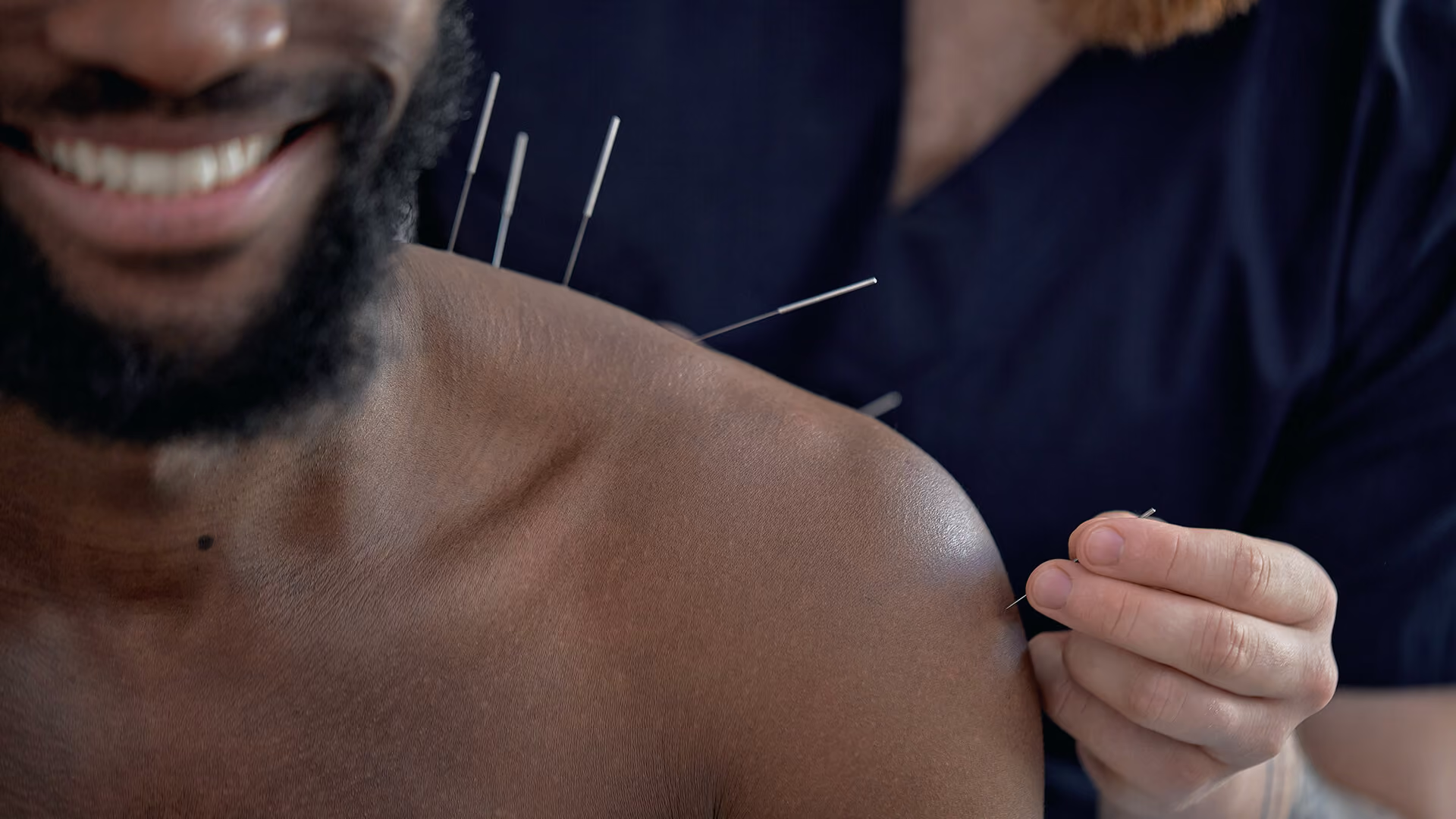
Acupuncture is a therapeutic procedure.
The ABMA is the oldest medical acupuncture society in Belgium. For over 50 years, we have championed a medical, scientific, and recognized practice.
Deepen your understanding of medical acupuncture
Discover the principles of acupuncture, explore auriculotherapy, and learn more about the role of the ABMA.
Browse our directory to find a medical acupuncturist or contact the association if you have any questions.
Find
your doctor
acupuncturist
Browse the list of ABMA and UPMAB members across Belgium.