
Understanding migraines, headaches and neurological pain
Migraines, tension headaches and neurological pain do not involve the same mechanisms or require the same treatments. Diagnosis is based on the type of pain, its frequency, associated symptoms, medications used and the possible presence of warning signs.
Different diagnoses.
Migraine occurs in attacks and may be accompanied by nausea, sensitivity to light or sound and sometimes an aura. Tension headache is more often experienced as pressure. Neuropathic pain may present as burning, tingling or electric shock-like sensations.
What is the role of acupuncture?
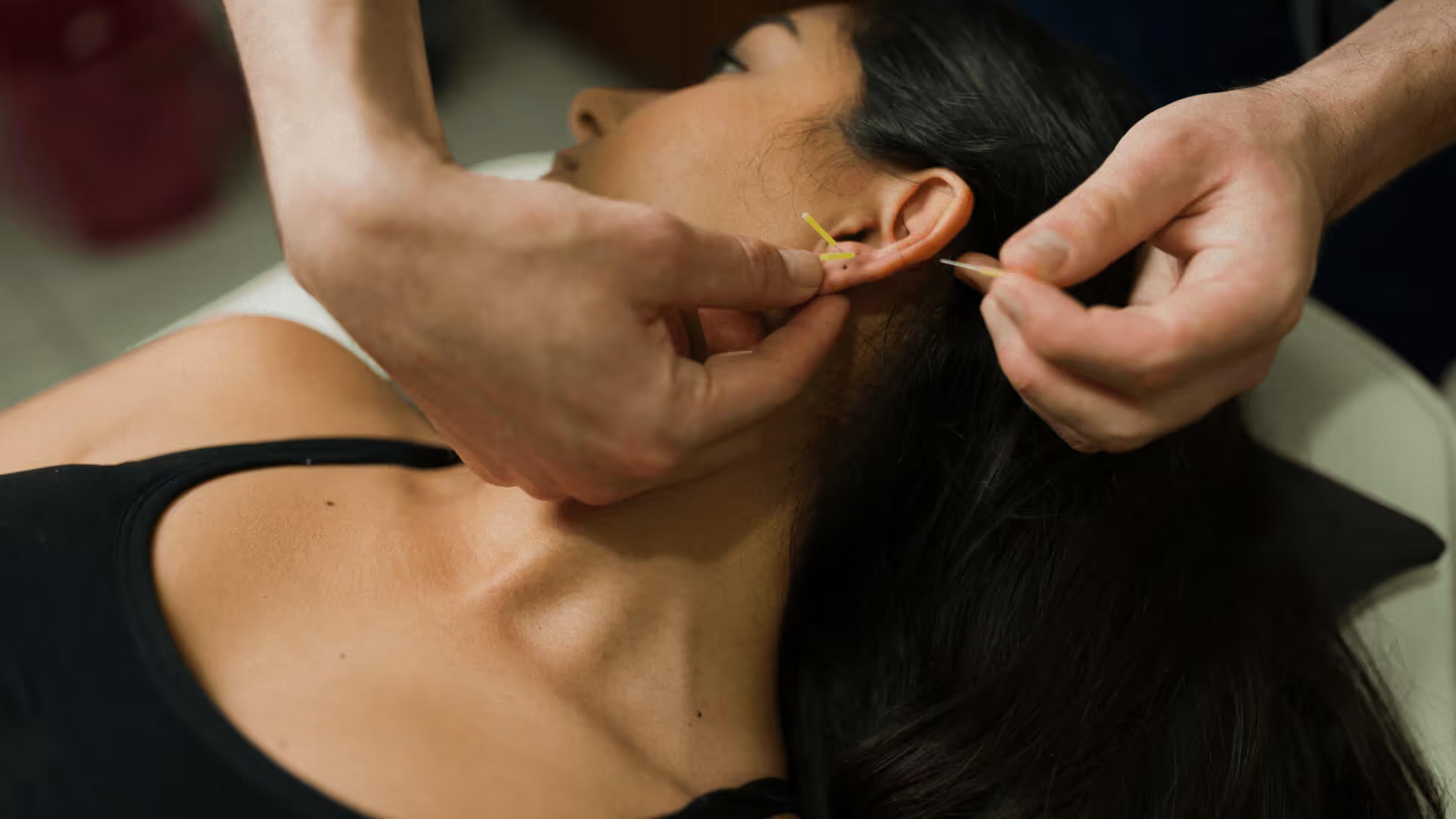
Acupuncture may be used in the prevention of certain migraines and frequent tension headaches. In particular, it aims to reduce the frequency, intensity and impact of attacks. In certain neuralgias or neuropathic pain conditions, it may also be considered as part of an individualised management plan.
A structured approach.
Acupuncture may be combined with acute or preventive treatments and neurological follow-up when required. The physician assesses its relevance according to the diagnosis, symptom frequency and their progression.
In which situations may acupuncture be proposed?
The situations below illustrate different reasons why acupuncture may be considered. Its role depends on the diagnosis, associated signs, symptom frequency and treatments already undertaken.
Migraines with or without aura
Acupuncture may be proposed to prevent certain migraines, with or without aura, particularly when they are recurrent. The aim may be to reduce the frequency or intensity of attacks and their impact on daily life, in combination with acute or preventive treatments when needed.
Tension headaches
In certain cases of frequent tension headaches, acupuncture may help reduce the frequency or intensity of episodes and their impact on daily life. Diagnosis and follow-up also help identify a possible secondary cause or excessive use of painkillers.
Neuralgias and neuropathic pain
Burning, electric shock-like sensations or numbness may indicate neuropathic pain. Once the cause has been identified, acupuncture may be considered for some patients to help control pain, alongside specific treatments when indicated.
Pain after shingles
After shingles, certain types of nerve pain may persist. Acupuncture may be considered as part of an individualised approach aimed at reducing pain and improving comfort, alongside appropriate pain-relieving treatments.
Facial pain
Facial pain, including trigeminal neuralgia, requires an accurate diagnosis. Depending on the situation, acupuncture may be considered as a complementary approach to help control pain, together with specialist follow-up and indicated neurological treatments.
Persistent neurological pain
Persistent pain following nerve injury, surgery or a neurological condition requires individualised management. Acupuncture may be proposed for some patients to contribute to pain relief and improve functional comfort.
Questions fréquentes
Vous vous posez encore des questions ? Retrouvez les réponses aux interrogations les plus fréquentes concernant cette indication, le déroulement d'une consultation et la place de l'acupuncture dans une prise en charge médicale.
Can acupuncture help prevent migraines?
Yes. Once the diagnosis has been confirmed, acupuncture may be considered as a preventive option for some patients. It may help reduce the frequency of migraines and their impact. It may be combined with acute or preventive treatments when indicated.
Can acupuncture treat a migraine attack?
Acupuncture is mainly used as part of a migraine prevention strategy, although its role may be discussed according to the clinical context. An unusual or very severe attack, or one accompanied by neurological signs, requires prompt medical assessment. Recommended acute treatments should remain available to the patient.
What is its role in tension headaches?
For certain chronic or very frequent tension headaches, acupuncture may be proposed to reduce the frequency, intensity or impact of episodes. The benefit is assessed over time according to these objectives.
Is acupuncture effective for neuralgias and neuropathic pain?
In certain neuralgias or neuropathic pain conditions, acupuncture may be considered for some patients as a complementary approach to help relieve pain. Diagnosing the cause and using specific treatments remain essential and determine its role in management.
How can the progression of migraines or headaches be assessed?
A headache diary can be used to record frequency, duration, intensity, associated symptoms and medications used. It helps assess the actual effect of a preventive strategy and identify excessive use of acute treatments.
When does a headache require prompt medical attention?
A sudden headache that is maximal at onset, accompanied by weakness, speech disturbance, confusion, high fever, neck stiffness, trauma, pregnancy or rapid worsening, requires immediate medical assessment.
Pour poursuivre
votre lecture
Comprenez la démarche du médecin acupuncteur, explorez les autres familles d’indications ou trouvez un praticien membre de l’ABMA.



Trouvez
votre médecin
acupuncteur
Browse the list of ABMA and UPMAB members across Belgium.